A quiet study of the cards,
image by image.
Tarot is a language of pictures. The Arcanate archive is a place to learn that language slowly — without theatre, without prediction, and with respect for the symbols and the people reading them.
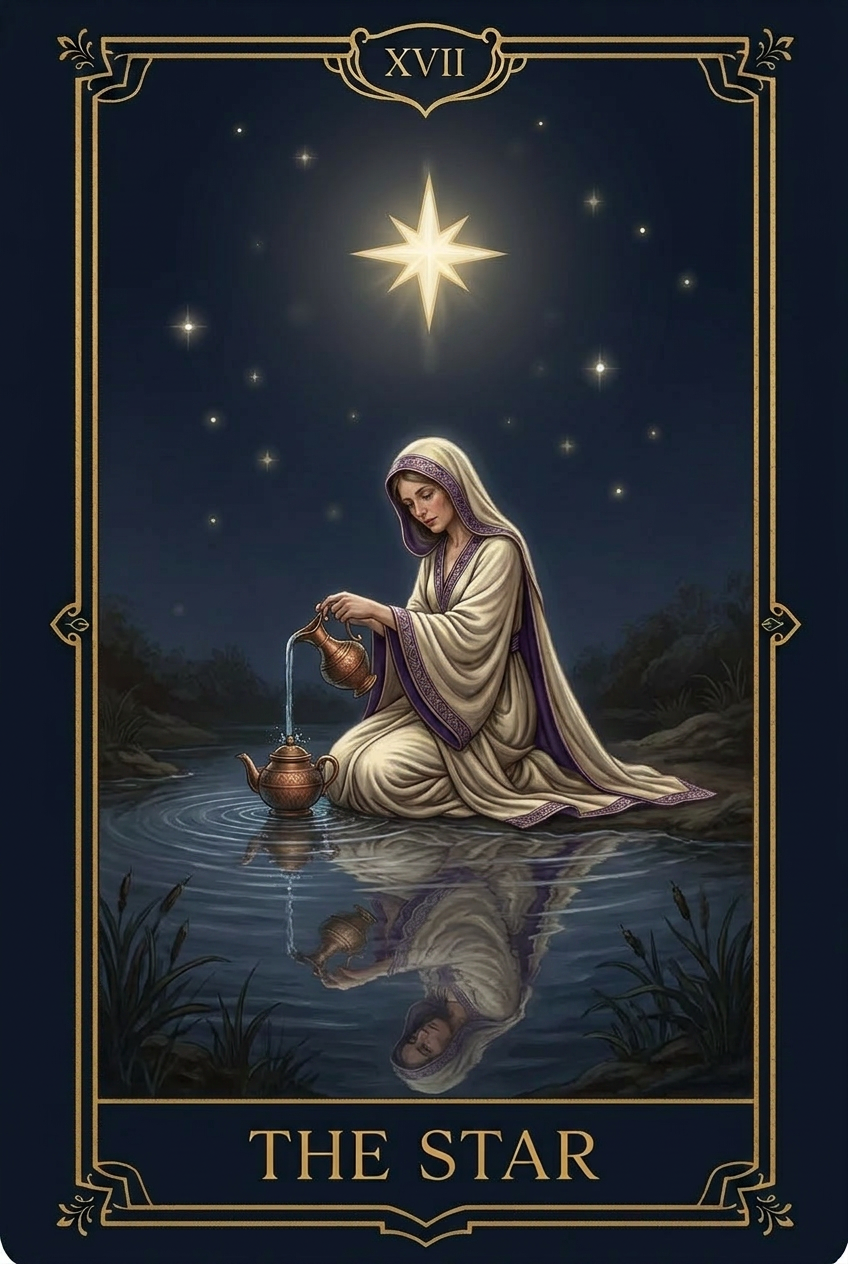
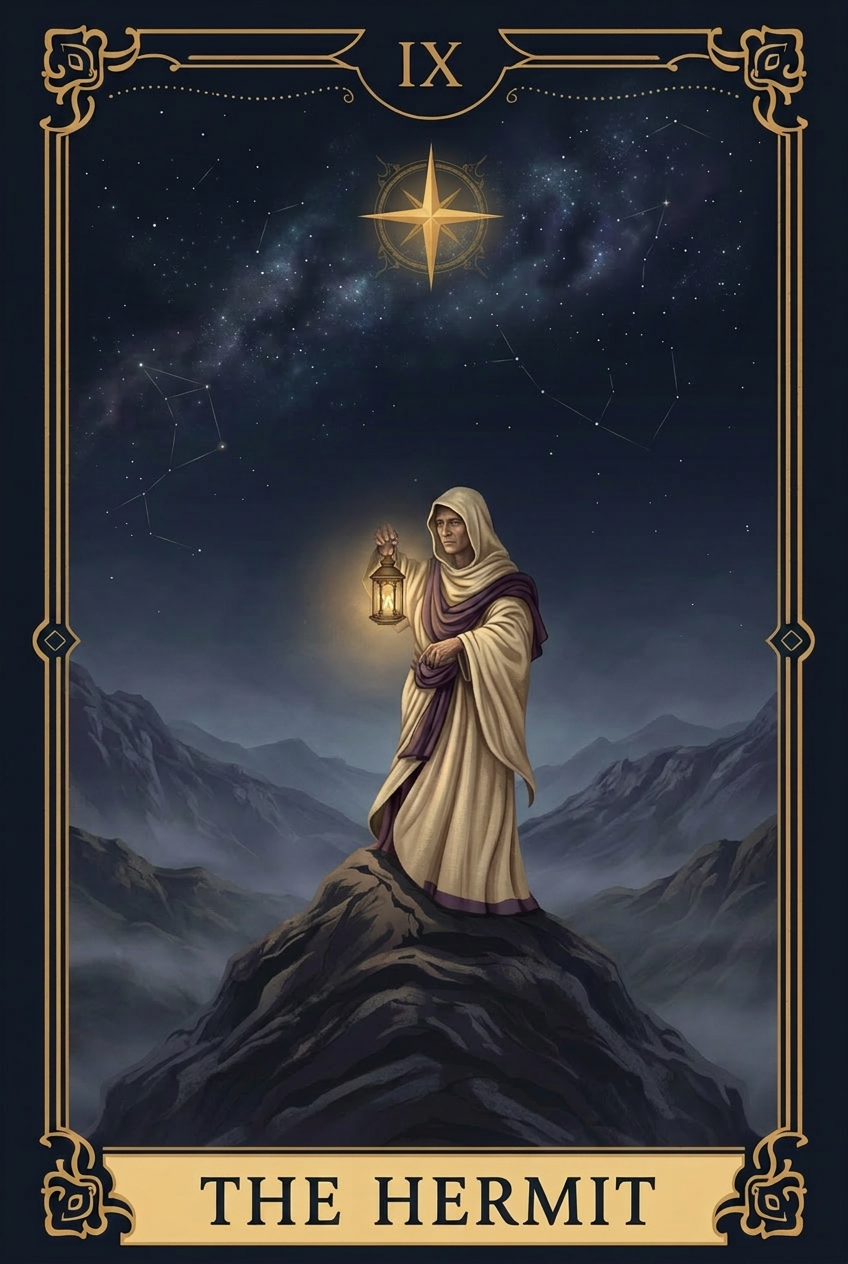
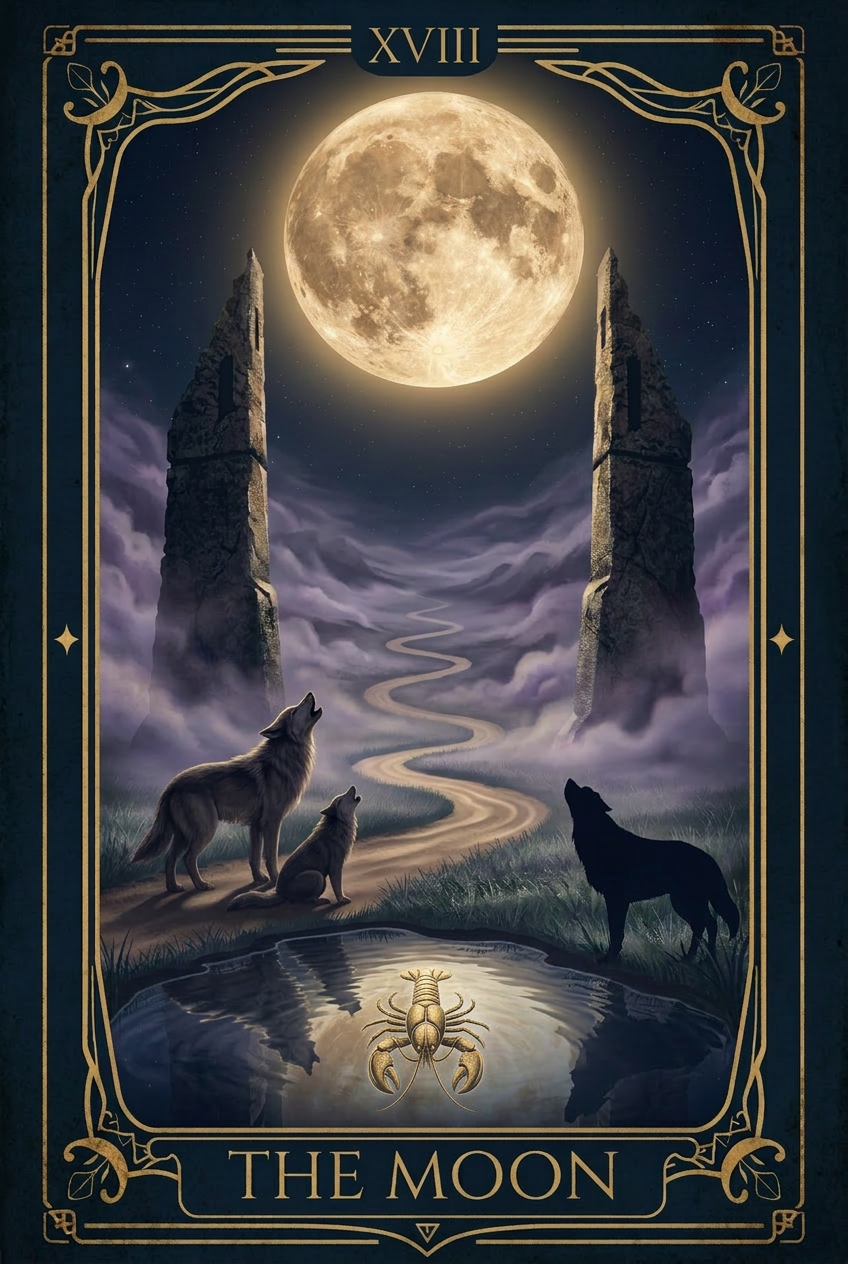
What tarot is — and what it is not
Tarot is a deck of 78 painted images grouped into the Major Arcana (22 archetypal cards) and the Minor Arcana (56 cards across four suits). It began as a card game in fifteenth-century Italy and was later adopted, century by century, as a tool for symbolic reflection.
A reading is a structured way to look at a question through these images. The cards do not predict the future. They give the present a shape so that you can see it more clearly.
How a reading works here
You bring a question — or simply an attention. You choose a focus (a domain such as Love, Career, Shadow Work). The cards are drawn into named positions, each one a slightly different angle on the question. Their meaning shifts depending on whether they arrive upright or reversed, and on the company they keep.
Arcanate's interpretations are written, not generated mid-conversation. Each card has a layered library of meanings across orientations and domains. The reading composes those meanings into a coherent passage tailored to your draw.
Major Arcana
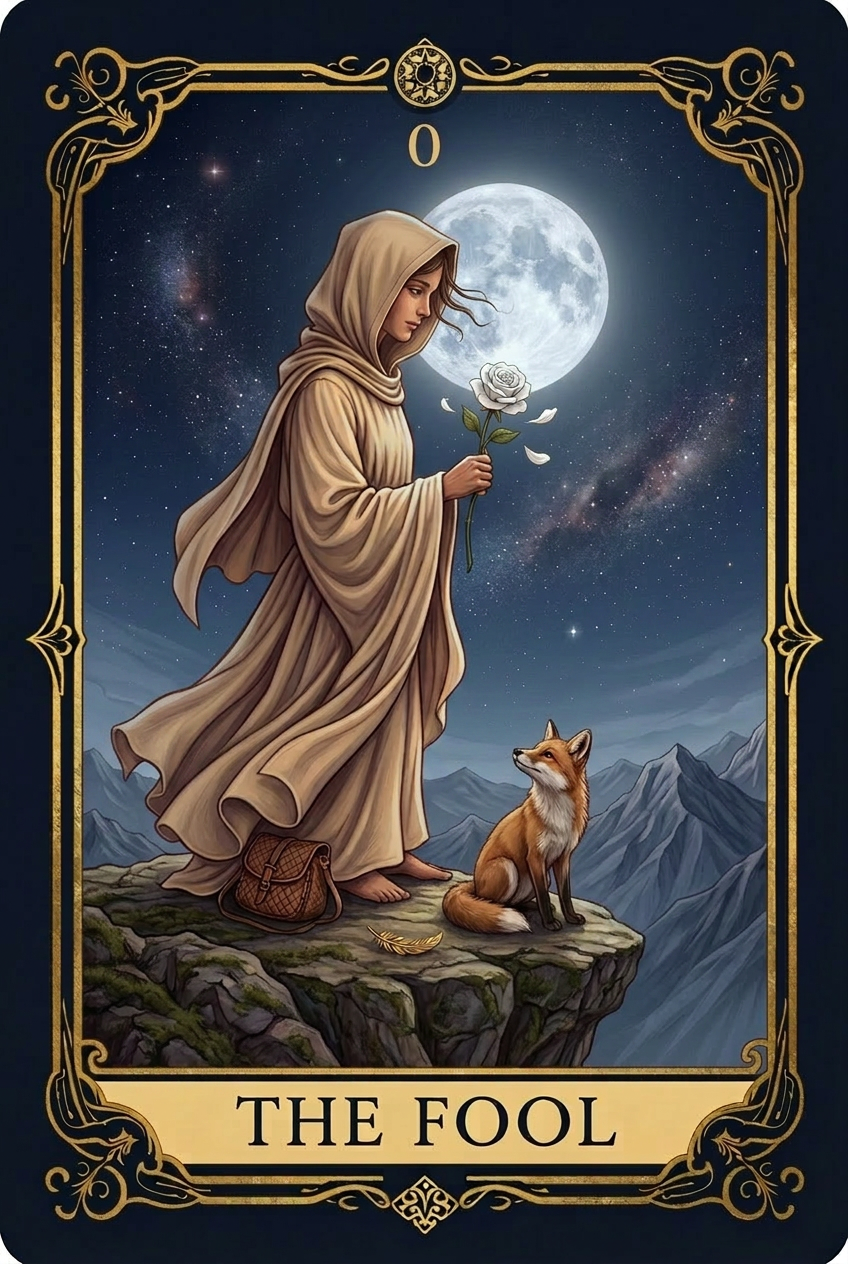
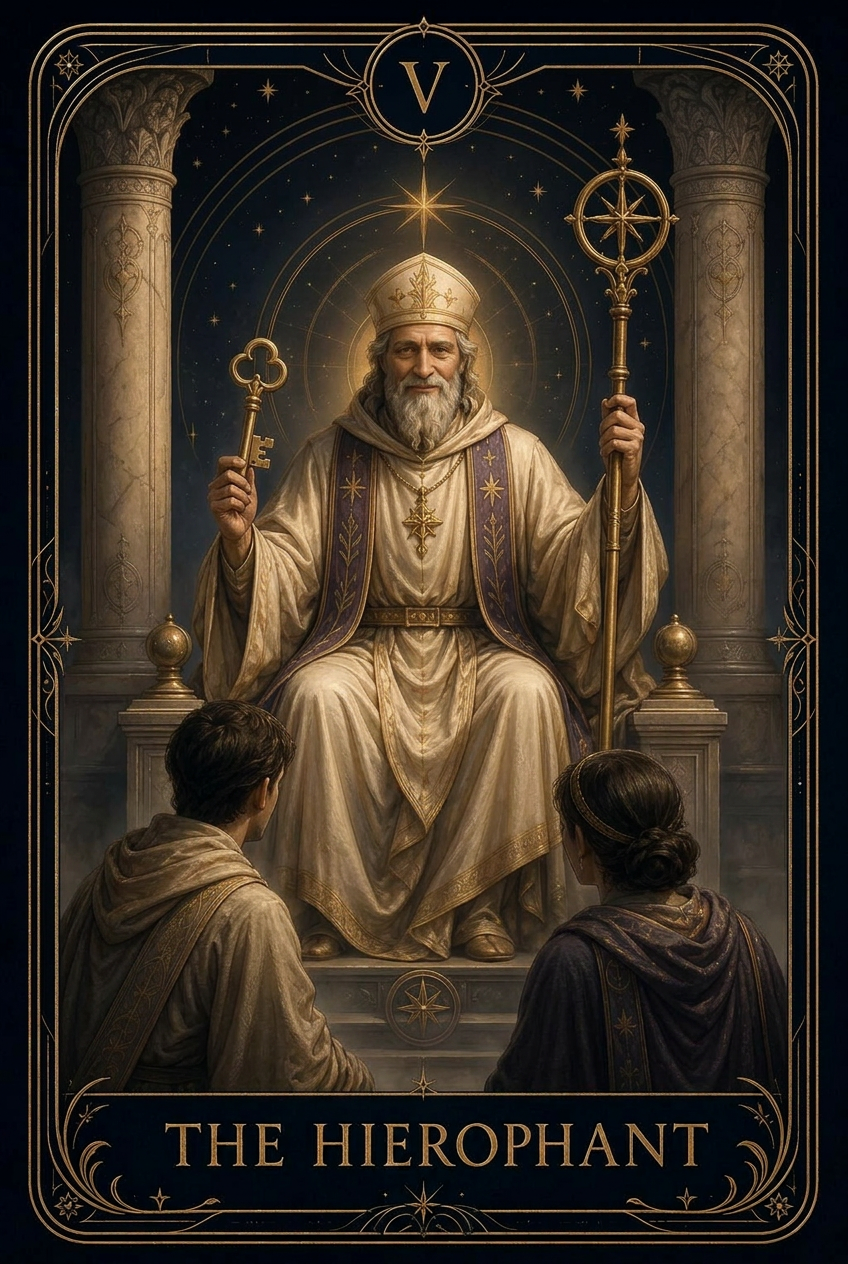
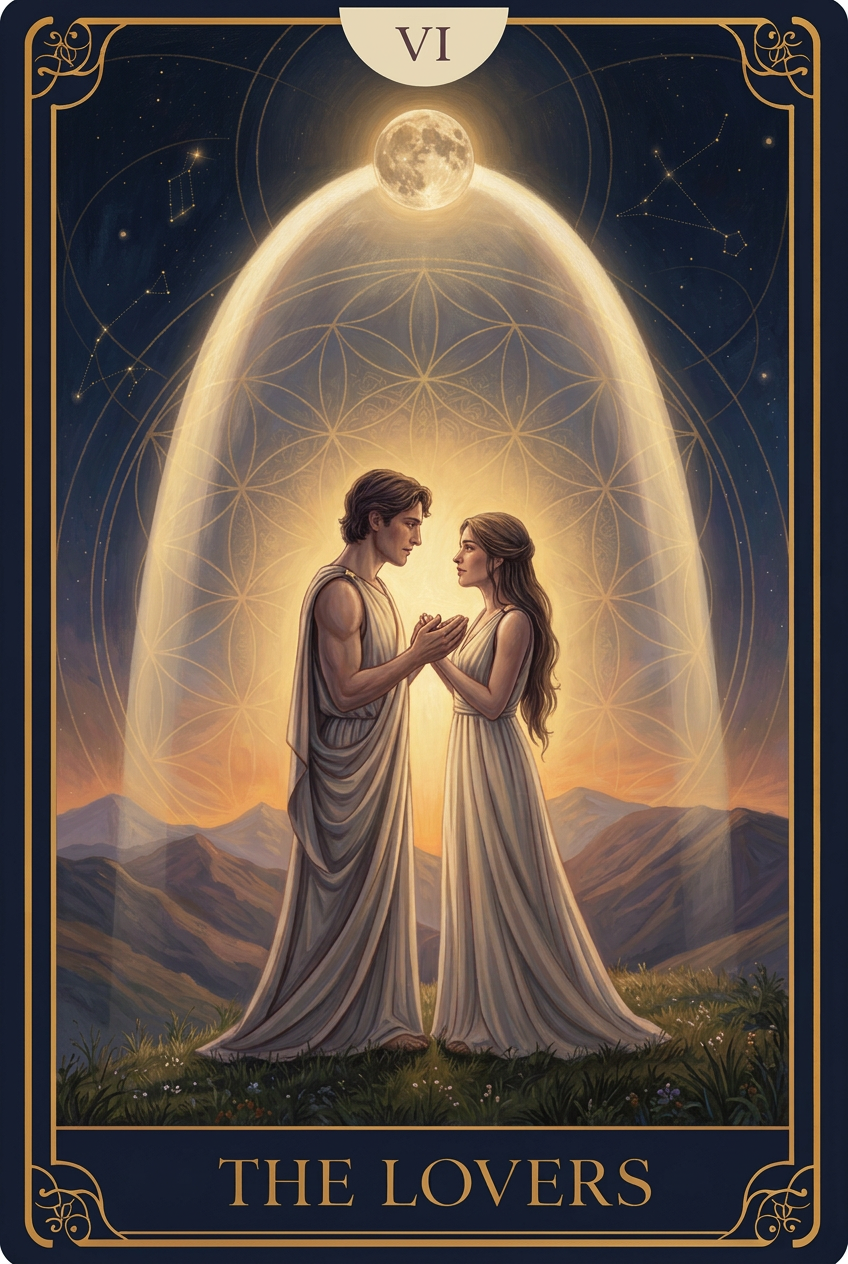
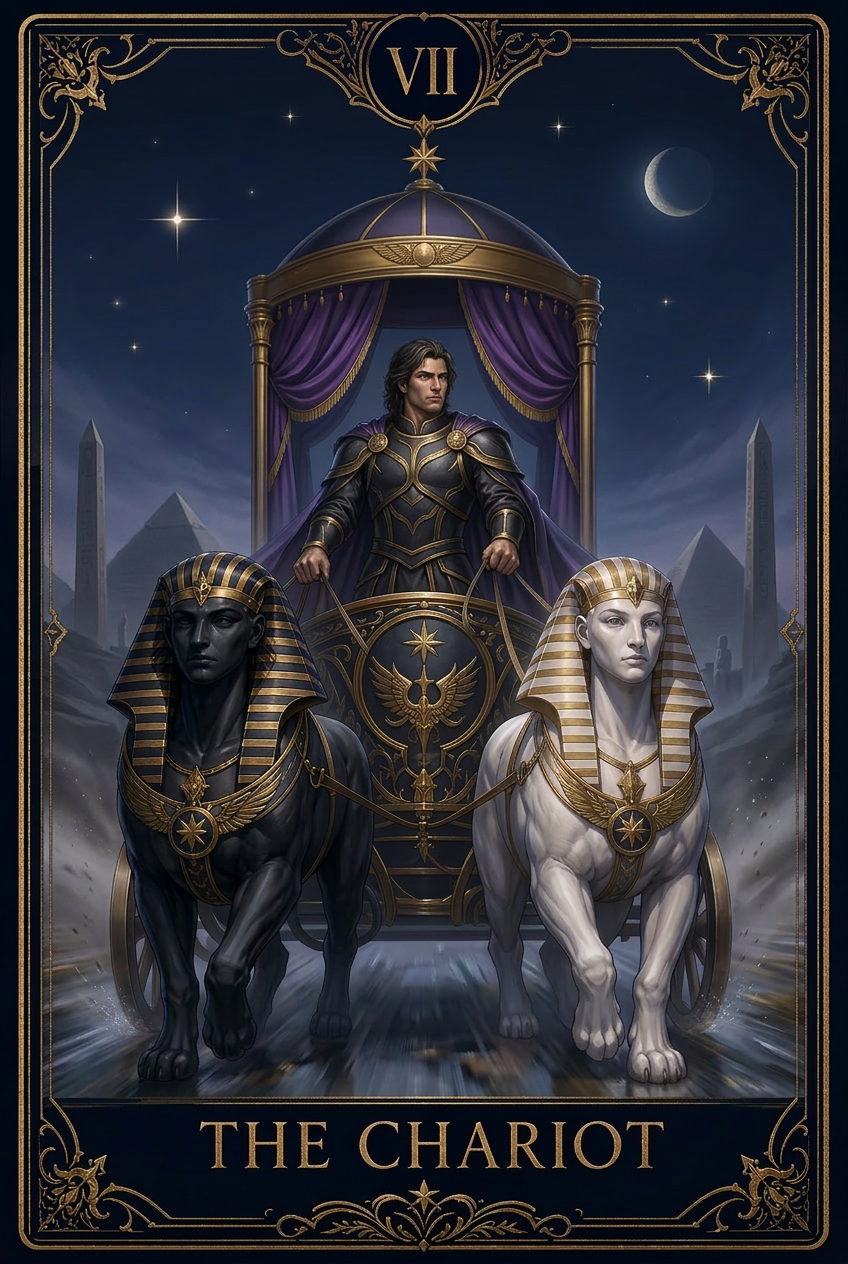
Read more →The Major Arcana name the great movements of a life: thresholds, vows, breakages, returnings. They are the loud cards. When several appear in a reading, the question being asked is rarely small.
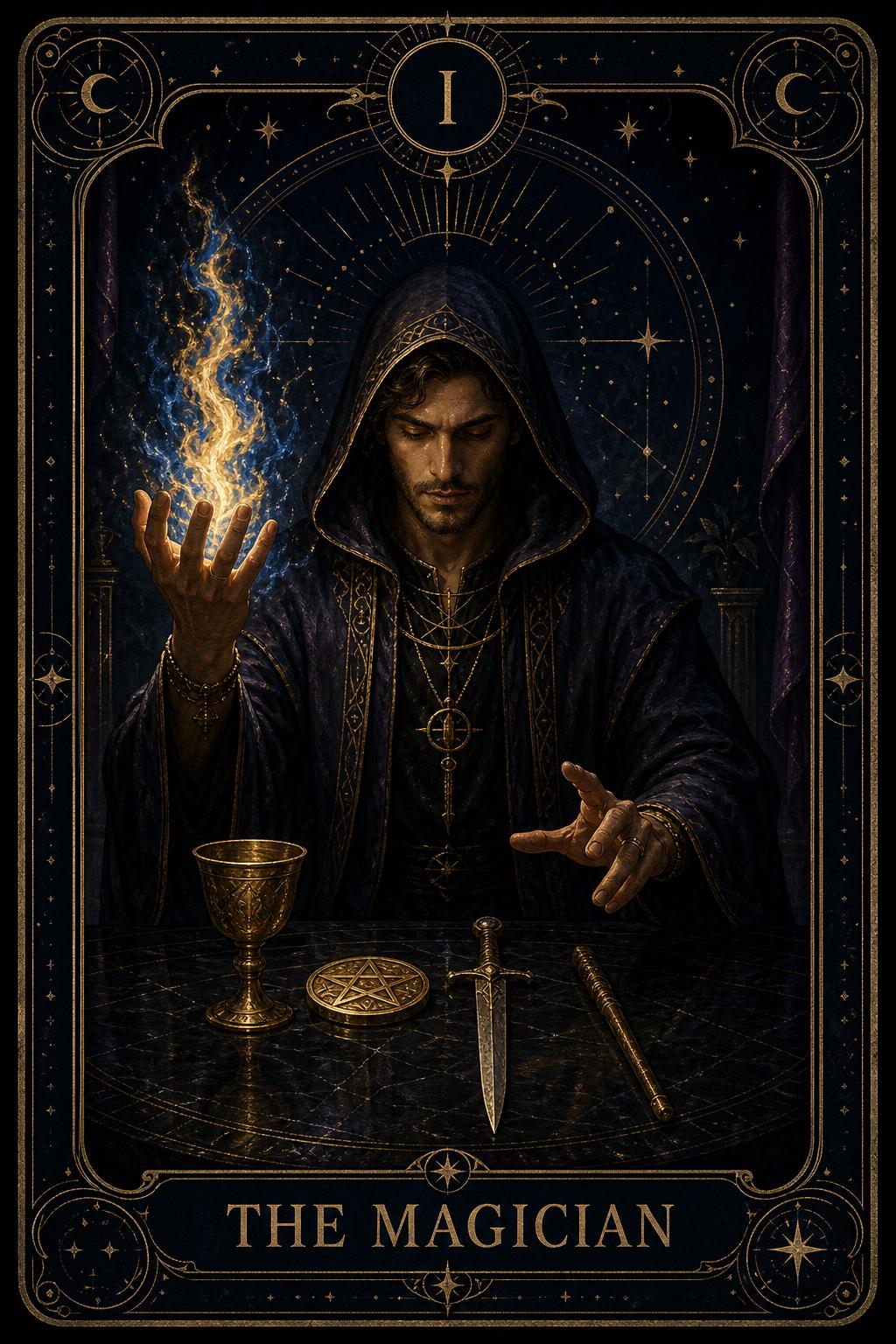
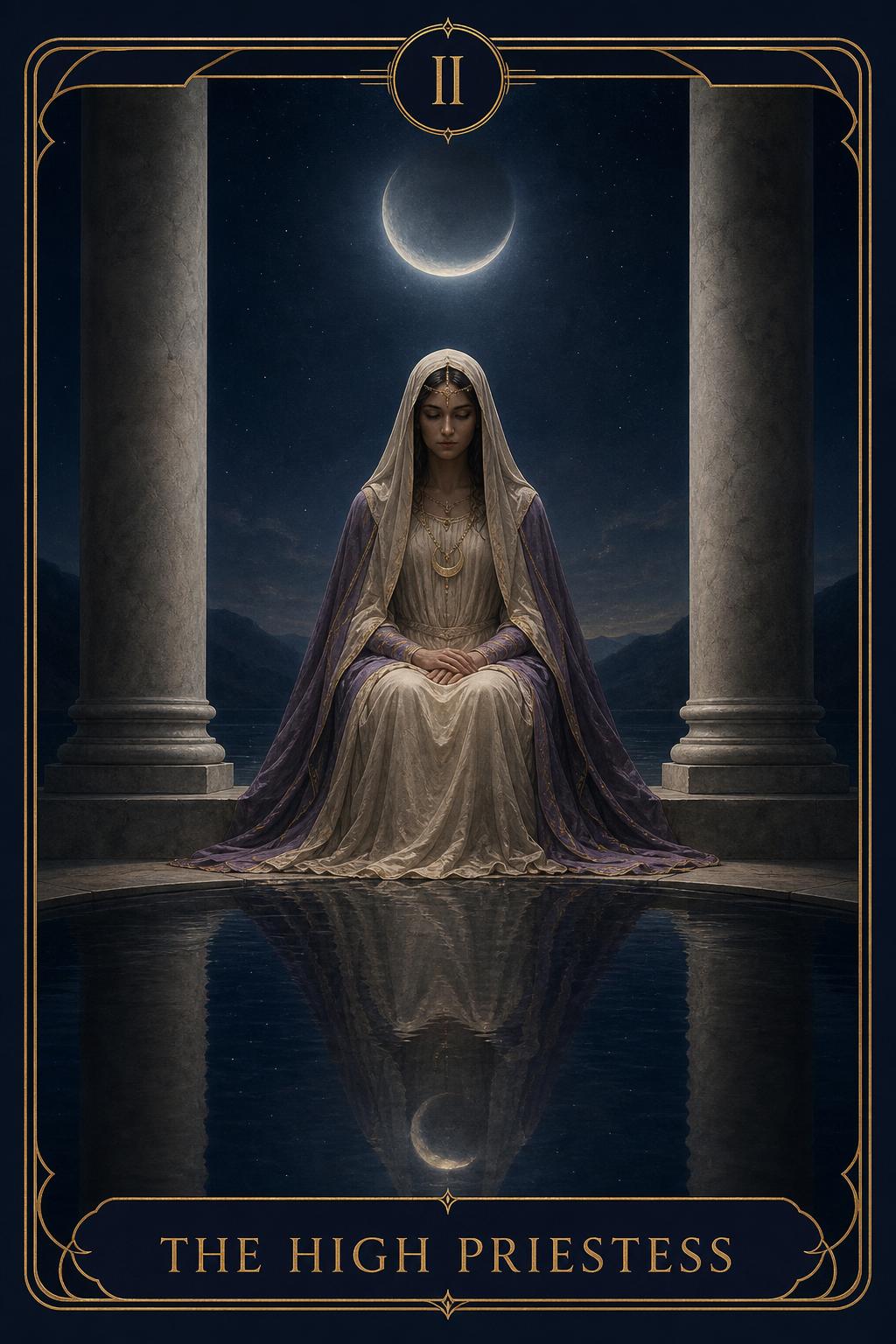
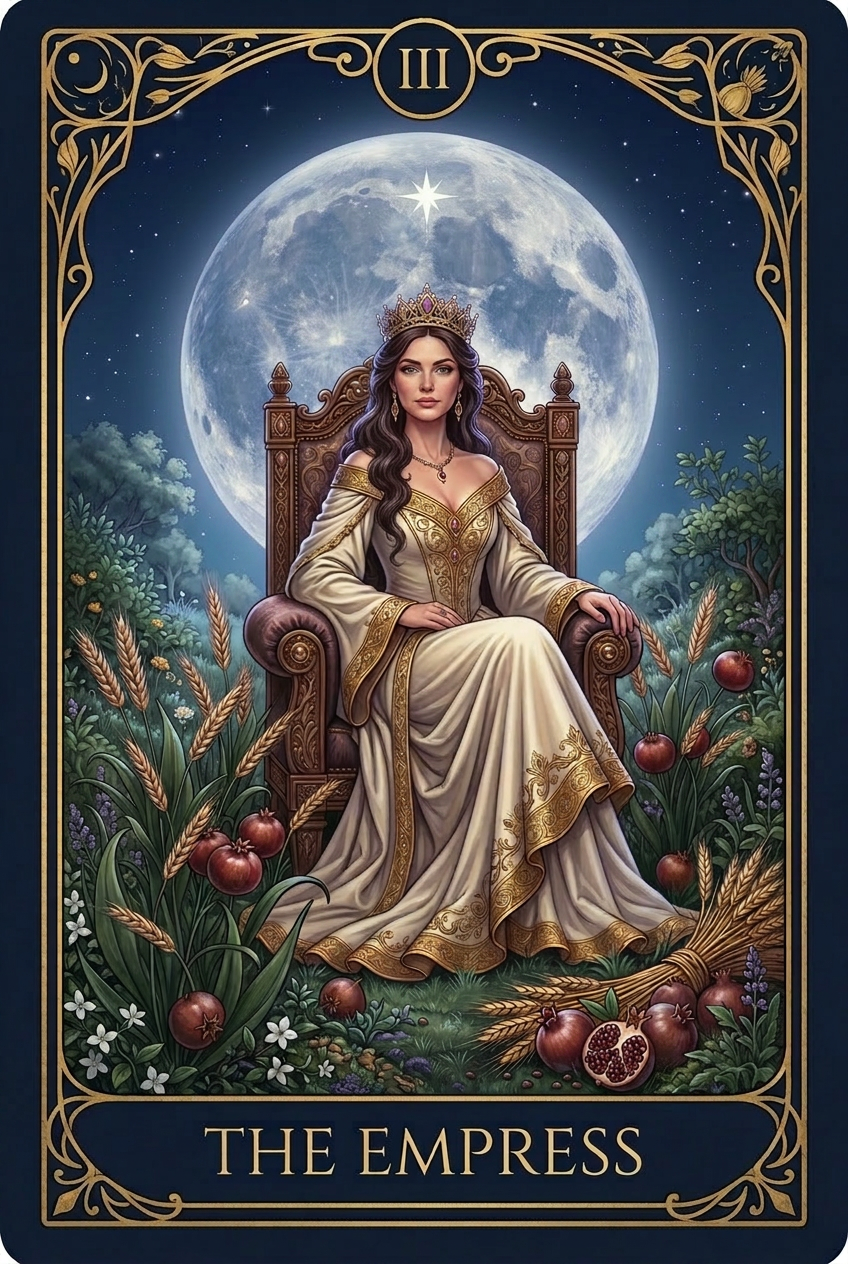
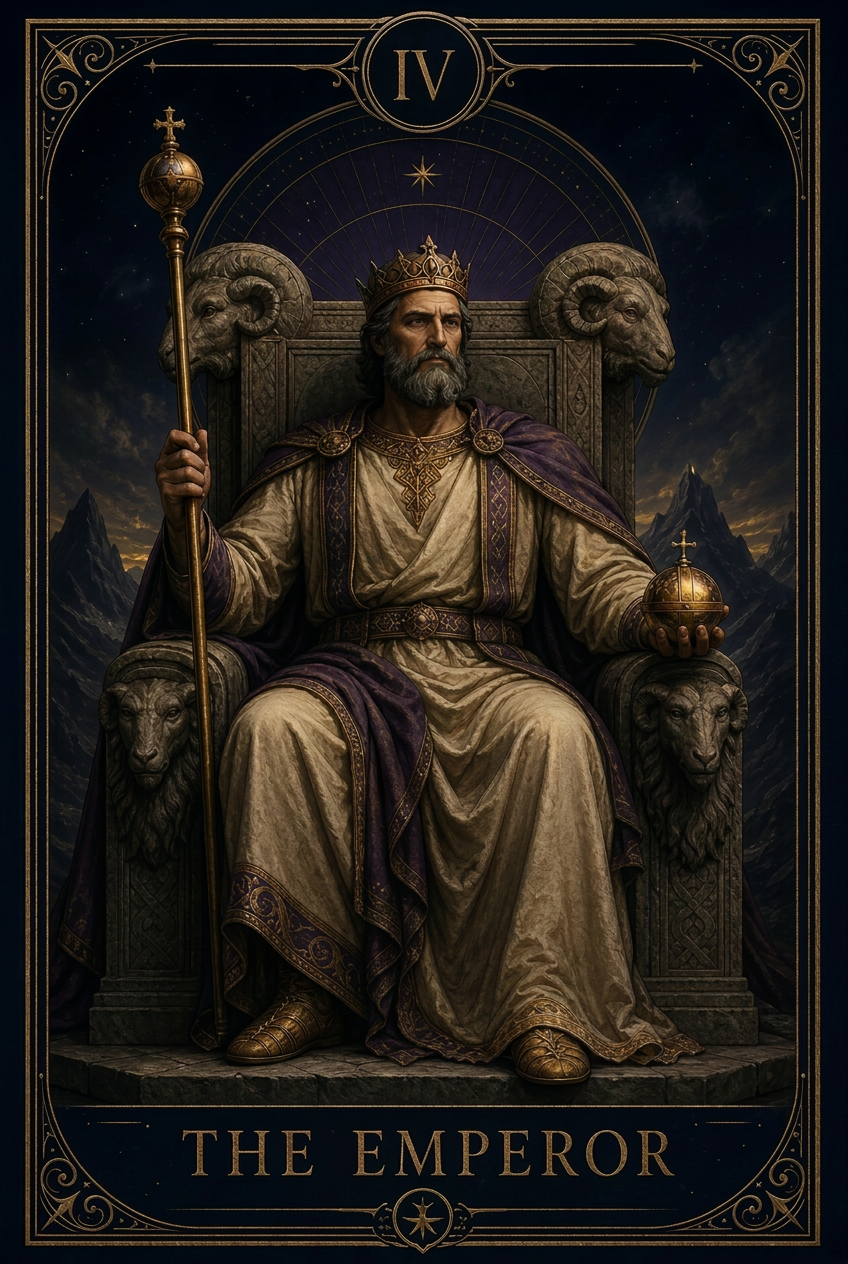
Minor Arcana
The Minor Arcana describe daily life — work, feeling, conflict, provision — across four suits. Wands for fire and will, Cups for water and feeling, Swords for air and thought, Pentacles for earth and material life.
Reading focuses
All focusesA focus tells the deck what kind of light to read by. Love, Career, Shadow Work, Transformation — each is a register, a vocabulary, a way of asking.
Walk the deck
Open the explorerThe deck explorer is a quiet place to wander. Search by name, filter by arcana or suit, open any card for its meanings, symbolic notes, and selected interpretation excerpts from the archive.
From the archive of Rufus Santora
About the archive“A card is a small painted door. Whether you walk through it is, finally, your own affair — but the doors are honest, and they keep their hinges oiled.”
Rufus Santora is the fictional artist and archivist whose notes, captions, and observations season the Arcanate library. He is sparingly used, never theatrical, and never asked to predict.